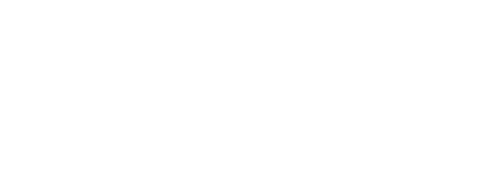
Child-friendly vision testing
Your child does not need to know letters or numbers. We can use pictures, shapes, lights, matching and other age-appropriate techniques to check vision and eye function.
More than a school vision check, a complete look at your child's vision, development and eye health.
At Capital Vision Care, children's eye exams are designed to be thorough, gentle and age-appropriate. Our optometrists check more than whether your child needs glasses: we assess visual development, focusing, eye coordination, eye health, prescription needs and signs of myopia progression.
Children often assume everyone sees the world the way they do. They may not complain about blurry vision, double vision, headaches or trouble focusing because they do not realize anything is wrong.
A comprehensive children's eye exam can help detect concerns that may affect reading, learning, sports, coordination, comfort and confidence. MyHealth Alberta notes that complete eye exams can detect vision problems and eye diseases children may not know they have, including amblyopia, strabismus and focusing problems.
A school vision screening can be helpful, but it is not the same as a complete eye exam. The Alberta Association of Optometrists explains that screenings check vision but do not fully assess eye health, eye coordination, peripheral awareness, eye-hand coordination or other visual skills used for learning.

A children's eye exam checks how clearly your child sees, how well their eyes work together, how they focus, whether they need glasses and whether their eyes are developing normally. Depending on your child's age and comfort level, the exam may include child-friendly vision testing, prescription measurement, eye alignment checks, focusing tests, depth perception, eye health assessment, retinal imaging and screening for conditions such as myopia, amblyopia, strabismus and other vision concerns.
Children's eye exams should feel comfortable, but they should also be complete. Before and during the exam, our team gathers information about your child's vision and eye health using age-appropriate testing and advanced technology when recommended.
Your child does not need to know letters or numbers. We can use pictures, shapes, lights, matching and other age-appropriate techniques to check vision and eye function.
We check whether your child is nearsighted, farsighted, has astigmatism, or is having trouble focusing comfortably for reading, screens or schoolwork.
We assess how well your child's eyes work together. Coordination problems can contribute to headaches, eye strain, reading discomfort or trouble keeping place on a page.
We may check how your child uses both eyes together for depth, coordination, sports, classroom tasks and everyday activities.
Your optometrist checks the health of the front and back of your child's eyes and looks for concerns that may need treatment, monitoring or referral.
Retinal imaging can give your optometrist a detailed view of the back of the eye, helpful for documenting eye health and comparing changes over time.
Depending on your child's age, symptoms and risk factors, your optometrist may recommend eye pressure screening as part of the exam.
If your child is nearsighted or their prescription is changing, we can discuss whether myopia management may be appropriate.
Testing depends on your child's age, comfort level, symptoms and your optometrist's clinical judgment. Your clinic team can confirm what testing is recommended for your child's visit.
Children's vision can change quickly as they grow. A more complete exam helps your optometrist:
For many families, the most valuable part is clarity. You leave knowing whether your child's vision is developing normally, whether glasses are needed and whether there are any concerns that should be watched more closely.
Your child's eye exam helps us assess vision, comfort, development and eye health. Depending on your child's age, symptoms, health history and test results, your optometrist may check for signs of:
Book your child's eye exam at any of our six Edmonton-area clinics. Child-friendly testing, with Alberta Health coverage guidance.
Book a Children's Eye ExamThe Alberta Association of Optometrists recommends children have eye exams at these stages:
| Age | Recommended timing |
|---|---|
| 6 to 9 months | First eye exam |
| 2 to 5 years | At least one exam before school age |
| 6 to 19 years | Once every year |
These visits help monitor how your child's vision is developing and give your optometrist a chance to detect concerns early. MyHealth Alberta lists the same schedule and notes that children with signs of misaligned eyes, lazy eye, nearsightedness, red, swollen or cloudy eyes, or a family history of eye problems should be examined by an eye doctor.
Myopia, or nearsightedness, often starts in childhood and can progress as kids grow. If your child's distance vision is getting blurrier, they are squinting at the board, or their glasses prescription keeps changing, a children's eye exam may lead to a myopia management conversation.
Myopia management is different from simply updating a stronger glasses prescription each year. It is designed to help slow progression and support long-term eye health.
There is partial Alberta Health coverage toward annual eye exams for children and youth until their 19th birthday. Some services or testing may involve additional fees, and optometrists are required to discuss fees before providing services that exceed the AHCIP benefit.
No. Children do not need to know letters or numbers to have an eye exam. We can use pictures, shapes, lights, matching and other child-friendly methods.
No. A screening can be useful, but it does not replace a comprehensive eye exam. Screenings do not fully assess eye health, eye coordination, peripheral awareness, eye-hand coordination or other visual skills needed for learning.
Capital Vision Care offers children's eye exams at six Edmonton-area clinics. Choose the location that works best for your family's schedule, school route, commute or neighbourhood.
Children should have their first eye exam between 6 and 9 months, at least one exam between ages 2 and 5, and annual exams from ages 6 to 19.
There is partial Alberta Health coverage toward annual eye exams for children and youth until their 19th birthday. Some services may involve additional fees if they exceed the AHCIP benefit, and those fees should be discussed before treatment.
No. Children do not need to know letters or numbers. Optometrists can use pictures, shapes, lights, matching and other age-appropriate techniques to assess vision and eye health.
Common signs include squinting, sitting close to screens, holding books close, headaches, eye rubbing, covering one eye, losing place while reading, blurry vision, double vision or trouble seeing the board at school.
No. A school vision screening is not the same as a comprehensive eye exam. Screenings can miss eye health problems, eye coordination issues, focusing problems and other visual skills needed for learning.
Children may have nearsightedness, farsightedness, astigmatism, amblyopia, strabismus, focusing problems, eye coordination concerns or eye health issues. A comprehensive exam helps identify what is happening and what to do next.
Myopia management is care designed to help slow the progression of nearsightedness in children. If your child's prescription keeps getting stronger, your optometrist may recommend a dedicated myopia assessment.
Most children's eye exams take about 30 to 60 minutes, depending on your child's age, comfort level, testing needs and whether glasses or additional imaging are recommended.
Sometimes. Your optometrist may recommend drops if they need a better look at the inside of the eye or need to confirm the prescription. If drops are needed, the team will explain what to expect.
Some older children and teens can wear contact lenses if they are ready for the responsibility. Your optometrist will assess maturity, hygiene, prescription, eye health and lifestyle.
Help your child see clearly, learn comfortably and protect their vision as they grow. Book a children's eye exam at one of six Capital Vision Care clinics across Edmonton, St. Albert and Morinville.
Trusted background on eye exams for children and recommended timing: