Retinal imaging
Takes a detailed picture of the back of your eye, including the retina and optic nerve, to look for changes related to eye disease, diabetes, high blood pressure, macular degeneration, and other conditions.
Advanced imaging. Thorough pre-testing. Clear answers about your vision and eye health.
More than a prescription check, our comprehensive exams pair advanced imaging with a full eye-health assessment, so changes are caught early and explained clearly.
Our eye exams are designed to look beyond "which lens is clearer?" Your visit may include advanced images of the back of the eye, eye pressure screening, measurements of how your eyes focus and work together, and checks for early signs of eye disease, giving your optometrist more information to explain your results and recommend the right next step.
A basic vision check may tell you whether you need glasses. A comprehensive eye exam tells a much bigger story. Your eyes can show early signs of conditions that may not cause symptoms right away, and many people can still read the chart while developing changes related to eye pressure, the retina, the optic nerve, dry eye, diabetes, or cataracts.
That is why our process includes detailed pre-testing and imaging before your optometrist completes the final assessment. The goal is simple: better information, earlier detection, clearer explanations, and more personalized care.
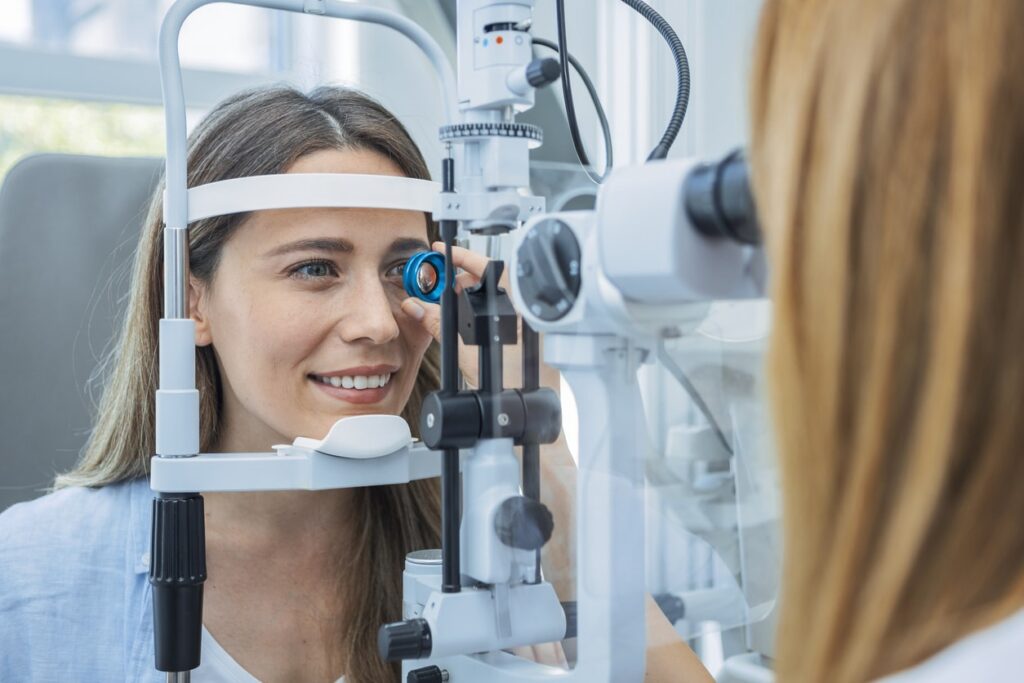
Before you see the optometrist, our team gathers detailed information about your eyes using advanced diagnostic technology. These tests are comfortable, efficient, and help your optometrist see details that are not visible from a standard vision chart alone.
Takes a detailed picture of the back of your eye, including the retina and optic nerve, to look for changes related to eye disease, diabetes, high blood pressure, macular degeneration, and other conditions.
Creates a layered, cross-section image of the retina, helping your optometrist look beneath the surface for subtle changes a standard exam may not reveal.
Captures a broader view of the back of the eye, so your optometrist can see more of the retina in one image and monitor changes over time.
Measures the pressure inside the eye, one of the screening tools used when assessing your risk of glaucoma.
Measures the shape and surface of the front of the eye, useful for contact lens fittings, dry eye assessment, and certain prescription concerns.
Checks areas of your side vision that can be affected by glaucoma, neurological concerns, or other eye health issues.
Estimates your prescription and how your eyes focus, giving your optometrist a starting point to refine the final result.
Looks at how well your eyes work together, which can affect headaches, eye strain, reading comfort, and screen use.
Available at select Capital Vision Care locations. Your clinic team can confirm which imaging or testing is recommended for your visit.
Advanced imaging gives your optometrist a more complete view of your eyes. It can help:
For many patients, the most valuable part is comparison. At future exams, your optometrist can compare new images with previous ones to look for meaningful changes.
Your eye exam helps us assess both vision and eye health. Depending on your age, symptoms, health history, and test results, your optometrist may check for signs of:
Many eye diseases can develop before you notice symptoms. MyHealth Alberta notes that some eye diseases, including glaucoma, may have no early symptoms and may only be found through an eye exam.
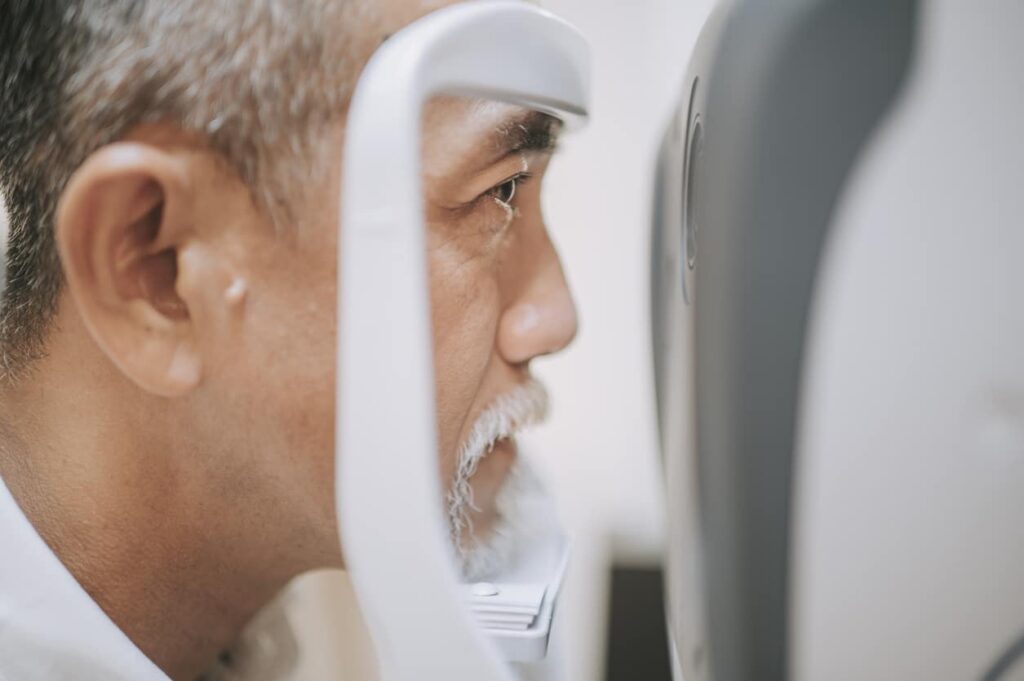
Book a comprehensive eye exam at any of our six Edmonton-area clinics, with advanced imaging and direct insurance billing.
Book an Eye ExamRegular eye exams protect your sight even when your vision feels fine, because many eye conditions develop gradually and without early symptoms.
We recommend a comprehensive eye exam once a year. Your ideal schedule still depends on your age, eye health, prescription, symptoms, and medical history: the Alberta Association of Optometrists recommends a first exam between 6 to 9 months, at least one exam between ages 2 and 5, annual exams through the school years, and an exam at least every two years for adults, or more often as your optometrist recommends.
Patients with diabetes, glaucoma risk, macular degeneration risk, sudden symptoms, high prescriptions, contact lens concerns, or active eye disease may need to be seen more often.
Call urgently if you have sudden vision loss, new flashes or floaters, an eye injury, severe pain, or a red eye with pain or light sensitivity.
Routine exams for adults 19 to 64 are generally not covered by Alberta Health, but many people have private or employer benefits. We direct bill most plans, so bring your benefits card.
About 30 to 60 minutes, depending on the testing and imaging, and whether you are also choosing glasses or contacts.
Sometimes. Dilation gives a clearer view of the back of the eye and can leave your vision blurry and light-sensitive for a few hours.
Capital Vision Care offers comprehensive eye exams at six Edmonton-area clinics. Choose the location that is most convenient for home, work, school, or errands.
A comprehensive eye exam checks more than your glasses prescription. It may include a health and vision history, prescription testing, eye pressure screening, retinal imaging, focusing and eye coordination checks, and a detailed assessment of the front and back of your eyes.
At Capital Vision Care, advanced imaging and pre-testing are an important part of our exam experience. The specific tests recommended for you may depend on your age, symptoms, health history, and clinic location.
An OCT scan creates a detailed layered image of the retina. It helps your optometrist look beneath the surface and check for subtle changes related to eye health.
Wide-field retinal imaging captures a broad image of the back of the eye. It helps your optometrist assess more of the retina and compare images over time.
Yes. Clear vision does not always mean healthy eyes. Some eye diseases may not cause early symptoms, which is why regular comprehensive exams are important.
Most comprehensive eye exams take about 30 to 60 minutes, depending on the testing needed, whether dilation is required, and whether you are also being fitted for glasses or contact lenses.
Sometimes. Dilation may be recommended when your optometrist needs a more detailed look at the back of your eyes. If dilation is used, your vision may be blurry and light-sensitive for a few hours.
Yes. You can book directly with Capital Vision Care for a routine eye exam, contact lens exam, dry eye concern, or many urgent eye concerns.
Yes. Bring your current glasses, sunglasses, contact lens boxes, medication list, Alberta Health card, and insurance information.
Yes. If your prescription changes, the optical team can help you choose frames and lenses that match your prescription, face shape, work needs, driving needs, and lifestyle.
See clearly today and protect your vision for the future. Book a comprehensive eye exam at one of six clinics across Edmonton, St. Albert, and Morinville.
Trusted background on eye health and exam timing: