Tear film assessment
Your tear film is the thin layer of moisture that protects the front of your eye. We assess how stable it is, how quickly it breaks up, and whether it is doing its job properly.
Dry eye care that goes beyond drops.
At Capital Vision Care, advanced dry eye care is available at every location. Our optometrists use modern dry eye technology to assess your tear film, eyelids, oil glands and ocular surface, so we can understand what is causing your symptoms, not just cover them up temporarily.
We also have a dedicated ocular hygienist whose role is to support dry eye management alongside your optometrist, including in-office therapies, follow-up care and personalized at-home routines.
Dry eye can feel like burning, stinging, watering, grittiness, redness, light sensitivity, blurry vision, tired eyes or contact lens discomfort. For many people, over-the-counter drops help for a short time, but the symptoms keep coming back.
That is because dry eye is not always caused by a lack of tears. Many cases are related to tear quality, inflammation, eyelid health, or blocked oil glands that cause tears to evaporate too quickly.
At Capital Vision Care, we start with an Initial Dry Eye Assessment (IDEA) to find the reason your eyes feel dry, irritated or watery. Only then do we recommend a treatment plan, which may include in-office treatments, at-home care, prescription or non-prescription products, and follow-up visits to monitor progress.

Dry eye disease happens when your tears do not keep the surface of your eyes comfortable, stable and protected. This may happen because your eyes do not make enough tears, because your tears evaporate too quickly, or because inflammation and eyelid problems disrupt the tear film. That is why care at Capital Vision Care starts with an Initial Dry Eye Assessment, or IDEA: a focused exam that helps your optometrist determine what type of dry eye you have and which treatment options are most appropriate.
Dry eye symptoms can be obvious, but they can also feel confusing. Some people feel dry, while others feel like their eyes are constantly watering. Book a dry eye assessment if you notice:
Watery eyes can be a sign of dry eye. When your tear film is unstable, your eyes may overproduce watery tears as a reflex. Those tears may run down your face, but they may not have the right balance of oil, water and mucus to keep your eyes comfortable.
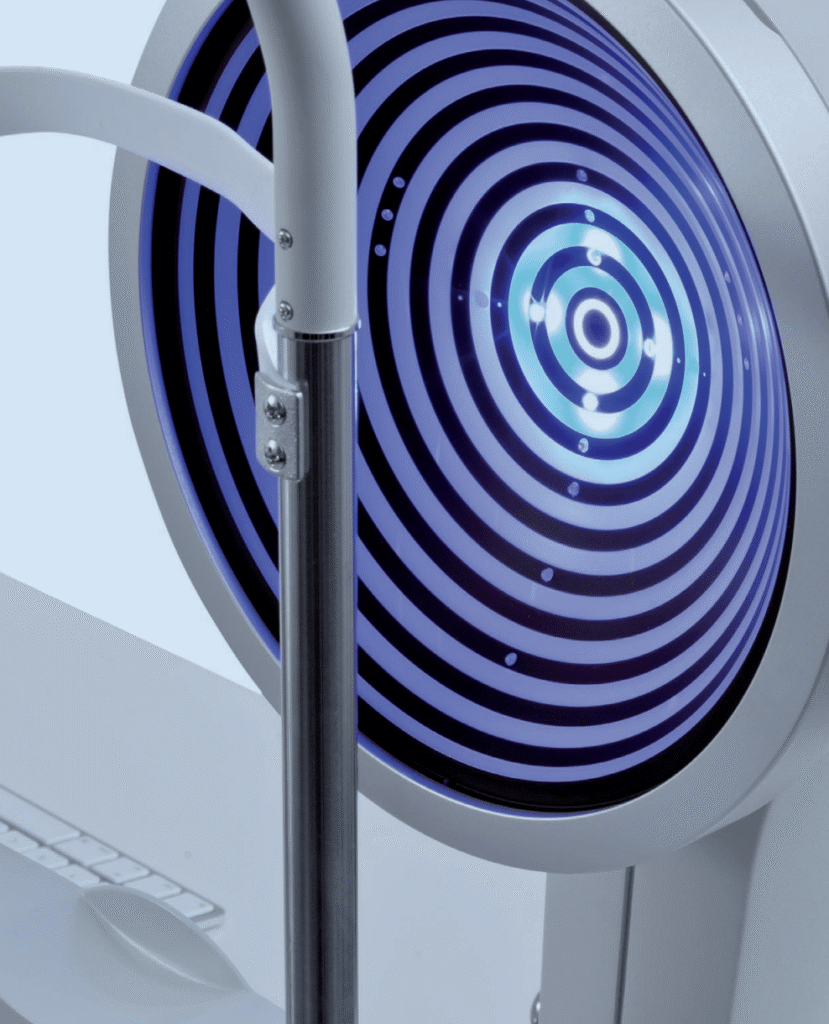
Dry eye treatment works best when we understand the cause. At Capital Vision Care, every location is equipped with advanced dry eye technology to help your optometrist assess your tear film, eyelids and oil glands.
Your tear film is the thin layer of moisture that protects the front of your eye. We assess how stable it is, how quickly it breaks up, and whether it is doing its job properly.
The oil layer of your tears helps keep moisture from evaporating too quickly. If this layer is thin or unstable, your eyes may feel dry, watery, irritated or blurry.
The meibomian glands are tiny oil glands in your eyelids. If they are blocked or not working properly, your tears can evaporate too quickly. Imaging helps us see gland health more clearly.
Your optometrist checks the surface of the eye for irritation, inflammation, dryness, staining and other signs that help guide treatment.
Dry eye is often connected to eyelid inflammation, blocked glands, debris, biofilm or conditions such as blepharitis. A close look at the eyelids helps us decide whether lid hygiene or in-office cleaning may help.
Once we understand what is contributing to your symptoms, your optometrist and ocular hygienist can recommend a personalized treatment plan.
Testing depends on your symptoms, eye health, treatment history and your optometrist's clinical judgment. Your clinic team can confirm what is recommended for your visit.

Dry eye management often requires more than one appointment and more than one type of care. That is why Capital Vision Care has a dedicated ocular hygienist who works alongside our optometrists to support dry eye patients.
An ocular hygienist helps with targeted dry eye treatments, eyelid hygiene, follow-up care and at-home routines. This gives patients more structured support between the diagnosis and long-term management.
Your optometrist diagnoses your condition and guides the clinical treatment plan. The ocular hygienist helps deliver dry eye therapies, monitor progress and reinforce the daily care steps that help maintain results.
Dry eye treatment is not one-size-fits-all. Your plan may include one or more therapies depending on your symptoms, tear film, eyelids, meibomian glands, inflammation and lifestyle.
LipiFlow uses controlled heat and gentle pressure to help clear blocked meibomian glands. These glands produce the oil layer of the tear film, which helps prevent tears from evaporating too quickly.
Learn moreIPL uses gentle pulses of light around the eyelids to help reduce inflammation and support meibomian gland function. It may be recommended for inflammation-driven dry eye, meibomian gland dysfunction or related eyelid concerns.
Learn moreRadiofrequency treatment uses gentle warming to support eyelid and meibomian gland function. It may be recommended as part of a broader plan for evaporative dry eye.
Learn moreJett Plasma may be used to support eyelid health and help address tissue changes around the lid margins that can contribute to gland blockage and dry eye symptoms.
Learn moreGland expression helps clear blocked or thickened oils from the meibomian glands so they can function more effectively.
In-office eyelid cleaning can help remove debris, biofilm, bacteria and buildup from the lid margins. This may help patients with blepharitis, irritation, crusting or gland blockage.
Some patients benefit from preservative-free artificial tears, gels, ointments or prescription drops. Your optometrist can recommend the right option for your type of dry eye.
Warm compresses, heat masks, lid cleaning, blinking exercises, hydration, environmental changes and screen-break habits may all be part of your maintenance plan.
Some patients may benefit from nutritional support such as omega-3 supplementation, depending on their health history and treatment plan. Your optometrist can advise whether this is appropriate.
Not every treatment is right for every patient. Your optometrist will recommend options based on your assessment.
Your IDEA is a focused first visit that gets to the root cause of your symptoms before any treatment is recommended.
It starts with an Initial Dry Eye Assessment to find the cause of your symptoms.
Book a Dry Eye AssessmentYou should book a dry eye assessment if your symptoms are frequent, disruptive, or not improving with basic drops.
Call urgently if you have sudden vision loss, severe pain, an eye injury, new flashes or floaters, or a red eye with significant pain or light sensitivity.
Capital Vision Care does not operate dry eye care as one separate standalone clinic. Instead, every CVC location is equipped with advanced dry eye technology, and dry eye care is available across our six Edmonton-area clinics.
Dry eye care is managed by your optometrist, with support from our dedicated ocular hygienist. Your optometrist diagnoses your condition and recommends the treatment plan, while the ocular hygienist helps with targeted therapies, follow-up support and at-home care education.
Watery eyes can happen when your tear film is unstable. Your eyes may produce reflex tears, but those tears may evaporate quickly or lack the oil layer needed for lasting comfort.
Capital Vision Care offers dry eye assessment and treatment across six Edmonton-area clinics. Choose the location that works best for your schedule, commute or neighbourhood.
The best treatment depends on what is causing your dry eye. Some patients need drops or at-home care, while others benefit from treatments such as LipiFlow, IPL, radiofrequency, gland expression, lid cleaning or prescription therapy. A dry eye assessment helps determine the right plan.
Dry eye is often chronic, but symptoms can usually be managed. The goal is to improve comfort, stabilize the tear film, support eyelid and gland health, and create a maintenance plan that helps reduce flare-ups.
Meibomian gland dysfunction happens when the oil glands in the eyelids are blocked or not producing healthy oil. Without enough oil, tears evaporate too quickly, which can cause burning, watering, redness and blurry vision.
LipiFlow is an in-office treatment that uses controlled heat and gentle pressure to help clear blocked meibomian glands. It may be recommended for evaporative dry eye related to meibomian gland dysfunction.
IPL is a light-based treatment used around the eyelids to help reduce inflammation and support meibomian gland function. It is not right for every patient, so an assessment is needed first.
An ocular hygienist supports dry eye care by helping deliver in-office therapies, eyelid hygiene treatments, follow-up visits and at-home care education. At CVC, the ocular hygienist works alongside the optometrist.
Artificial tears can provide temporary relief, but they may not address blocked oil glands, inflammation, eyelid buildup, tear instability or other causes of dry eye. If symptoms keep returning, a dry eye assessment is recommended.
Yes. Dry eye can make contact lenses feel uncomfortable, blurry or irritating. Treating dry eye may improve contact lens comfort, but some patients may also need a different lens type or wearing schedule.
Many patients notice worse symptoms in cold, dry, windy weather or heated indoor environments. Screen use, low humidity and reduced blinking can also make symptoms worse.
It depends on the cause and treatment plan. Some patients notice relief quickly, while others need a series of treatments and ongoing maintenance. Your optometrist and ocular hygienist can explain what to expect based on your plan.
If your eyes feel dry, watery, gritty, tired, red or irritated, you do not have to keep guessing at drugstore drops. Book a dry eye assessment at Capital Vision Care and get a personalized plan built around your symptoms, tear film, eyelids and long-term comfort.
For more on dry eye disease and how it is assessed: