
Blurry vision can make you wonder whether your prescription has changed, your glasses are wearing out, or something else is happening with your eyes. Sometimes the answer is simple: you need an updated prescription. But not every change in vision is just a glasses problem.
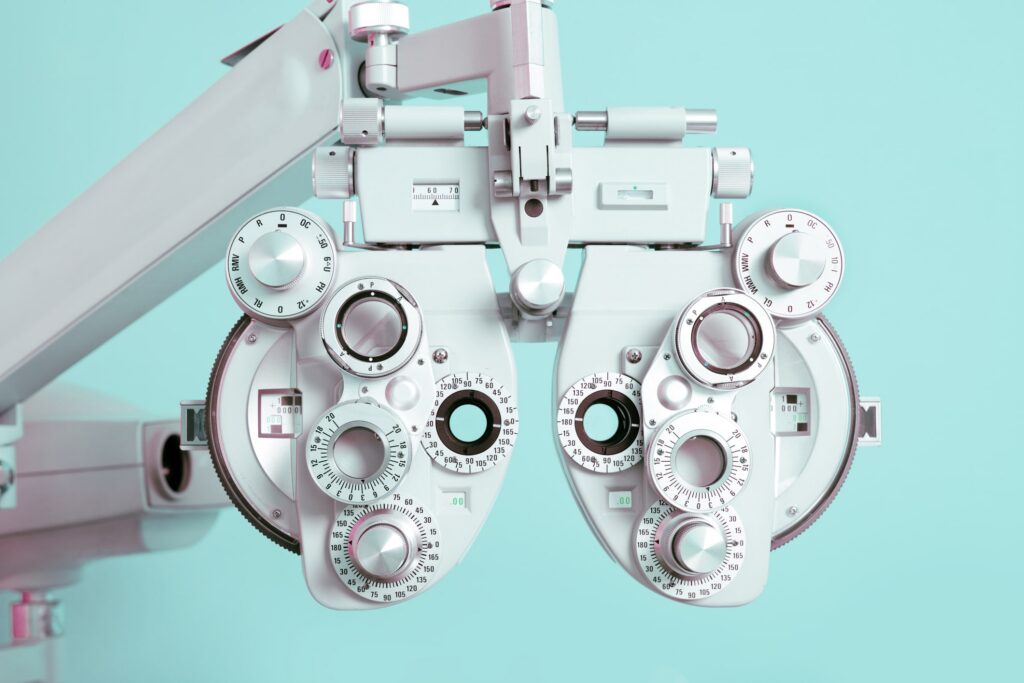
A comprehensive eye exam checks more than how clearly you can read letters on a chart. It can help your optometrist assess your prescription, eye focusing, eye coordination, eye pressure, retinal health, and signs of eye conditions that may not be obvious at first.
At Capital Vision Care, patients across Edmonton, St. Albert, and Morinville often come in because their glasses “do not feel right anymore.” That is a good reason to book, but it is also a reminder that your glasses are only one part of your eye health.
When it might be time for new glasses
You may need an updated prescription if you notice:
- Blurry distance vision
- Trouble reading signs while driving
- Squinting more often
- Headaches after reading or computer work
- Holding your phone or book farther away
- Eye strain by the end of the day
- Trouble switching focus between near and far
- Feeling like one eye is working harder than the other
Prescription changes are common. Vision can shift with age, screen habits, medical conditions, medications, and the natural changes that happen through adulthood.
If your current glasses are scratched, bent, poorly fitted, or older than a few years, the issue may also be optical. Frames that slide down your nose or lenses that no longer sit correctly can make even a good prescription feel wrong.
When blurry vision needs an eye exam, not just new glasses
Some symptoms should be checked with an optometrist rather than solved by ordering another pair of glasses. Book a comprehensive eye exam if you notice:
- New or worsening blurry vision
- Sudden vision changes
- Frequent headaches with visual tasks
- Eye pain or pressure
- New light sensitivity
- Double vision
- New floaters or flashes
- Redness that does not settle
- Trouble seeing at night
- A sudden change in one eye only
- Vision changes related to diabetes, high blood pressure, or medication changes
These symptoms do not automatically mean something serious is wrong, but they do deserve proper assessment.

Why an eye exam checks more than prescription
A glasses prescription tells you how lenses can help focus light clearly. A comprehensive eye exam looks more broadly at how your eyes are functioning and whether your eyes appear healthy.
Depending on your symptoms and health history, your optometrist may assess:
- Distance and near vision
- Current glasses or contact lens prescription
- Eye teaming and focusing
- Eye pressure
- Retinal health
- Corneal health
- Signs of dry eye
- Lens clarity
- Risk factors for glaucoma, cataracts, diabetic eye disease, and retinal concerns
The Alberta College of Optometrists describes optometrists as primary health-care practitioners who examine, assess, diagnose, prescribe, correct, treat, and manage diseases and disorders of the eye and visual system. That is why an exam is not just a retail step before buying glasses. It is health care.
What if your glasses feel wrong after your prescription changed?
Sometimes patients assume a new prescription is wrong because it feels different. In some cases, your eyes and brain need time to adapt, especially with progressive lenses, stronger prescriptions, astigmatism correction, or a change in lens design.
But adaptation should not mean ongoing discomfort. If your glasses feel off, your optometrist or optical team may need to check:
- Prescription accuracy
- Frame fit
- Lens measurements
- Pupillary distance
- Segment height for progressives
- Lens design
- Coatings or material
- Whether dry eye or focusing issues are contributing
This is one reason it helps to choose a clinic where your exam and optical care can work together.
How often should adults have eye exams?
The Canadian Association of Optometrists recommends eye exam timing based on age, risk factors, symptoms, and your optometrist’s clinical judgment. Many healthy adults are advised to have regular comprehensive eye exams, while patients with diabetes, eye disease, strong prescriptions, eye symptoms, or other risk factors may need more frequent care.
In Alberta, routine adult eye exams are often paid out of pocket or through private insurance, while medically necessary and urgent care may have partial Alberta Health coverage depending on the situation. Coverage details can change, so it is best to confirm with your clinic before your appointment.

What happens at a Capital Vision Care eye exam?
At Capital Vision Care, a comprehensive eye exam may include advanced pre-testing and imaging, prescription assessment, eye health evaluation, and clear recommendations based on what your optometrist finds.
If your prescription has changed, your optometrist can explain what changed and why. If glasses are not the whole answer, your optometrist can recommend the next step, whether that is dry eye care, further testing, monitoring, referral, or treatment.
Capital Vision Care has six Edmonton-area clinics, including Southgate, Windermere, Meadowlark, Lakeside/Castle Downs, St. Albert, and Morinville.
FAQ
Can I just update my glasses without an eye exam?
If your prescription is expired or your vision has changed, it is better to book a comprehensive eye exam. New glasses may help, but the exam also checks for eye health issues and other causes of vision changes.
Does blurry vision always mean I need glasses?
No. Blurry vision can be caused by prescription changes, dry eye, digital eye strain, cataracts, diabetes-related eye changes, contact lens issues, medications, or other eye conditions.
How do I know if my prescription changed?
Common signs include squinting, headaches, blurry distance vision, difficulty reading, eye strain, or feeling that your current glasses no longer feel clear.
Should I book an eye exam before buying new glasses?
Yes. A current prescription helps ensure your new glasses are made for your actual vision needs. It also allows your optometrist to check your eye health.
What if only one eye seems blurry?
A change in one eye should be checked. It may be a prescription issue, but one-sided changes can also point to other eye health concerns.
Book an eye exam in Edmonton, St. Albert, or Morinville
If your glasses are not working like they used to, start with a comprehensive eye exam. Capital Vision Care can help determine whether you need new glasses, dry eye care, further testing, or another next step.
Book a comprehensive eye exam at a Capital Vision Care clinic near you.